Why Businesses Are Choosing Bespoke Software Development in 2026
Here’s the reality most growing businesses face: off-the-shelf software handles about 70% of what you need, and you spend the rest of your time building workarounds for the other 30%. Spreadsheets fill the gaps. Manual processes slow things down. Teams waste hours switching between tools that don’t talk to each other.
Bespoke software development solves this problem by building solutions around how your business actually works, not the other way around. Instead of forcing your team to adapt to rigid, pre-built tools, custom software adapts to your workflows, your data, and your growth trajectory.
The demand for custom software is surging. According to Mordor Intelligence, the custom software development market is estimated at over $50 billion in 2026 and is on track to more than double by 2031. This growth reflects a clear shift: businesses across healthcare, finance, logistics, and manufacturing are moving away from generic tools toward solutions that give them a genuine competitive edge.
In this guide, we’ll break down everything you need to know about bespoke software development, from what it actually means to the step-by-step process, key benefits, emerging 2026 trends like agentic AI, and how to pick the right custom software development partner.
What Is Bespoke Software Development?
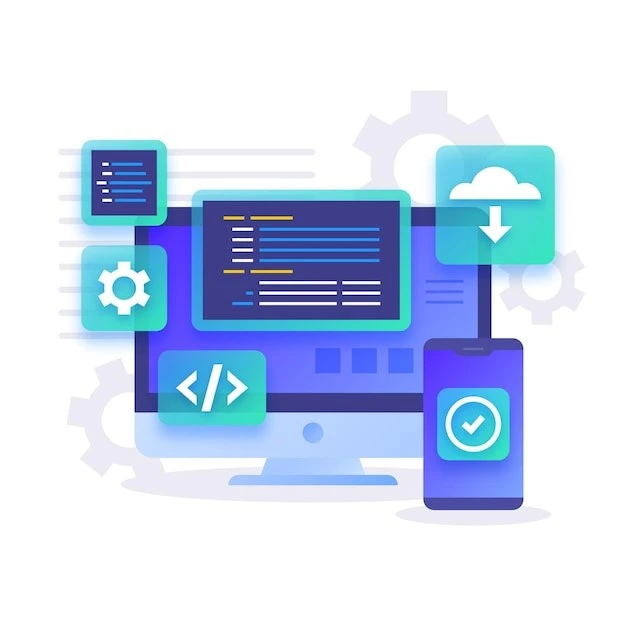
Bespoke software development is the process of designing, building, and deploying software that is created exclusively for one organization. Every feature, integration, and workflow is tailored to that company’s specific operational needs, making it the opposite of off-the-shelf software built for the mass market.
The term “bespoke” comes from the tailoring industry, where it means “made to order.” In software, it carries the same meaning: the application is crafted to fit your business like a glove. You don’t get features you’ll never use, and you don’t miss features you desperately need.
Bespoke software can take many forms. It might be a customer relationship management (CRM) platform built around your sales pipeline, a logistics tracking system that connects your warehouse to your delivery fleet, or an internal dashboard that pulls data from multiple sources into one view. The common thread is that each solution is unique to the business it serves.
This approach stands in direct contrast to commercial off-the-shelf (COTS) software like Salesforce, QuickBooks, or Asana. These tools serve millions of users with a standardized feature set. They work well for common tasks, but they struggle when your processes are complex, industry-specific, or central to how you compete.
Bespoke Software vs. Off-the-Shelf Software: Which One Do You Need?
Off-the-shelf software is best for standardized tasks like basic accounting, email, and general project management. Bespoke software makes sense when your workflows are unique, your integration requirements are complex, or your software needs to become a competitive advantage.
Choosing between bespoke and off-the-shelf software is one of the most important technology decisions a business can make. Here’s a straightforward breakdown of how they compare.
| Factor | Bespoke Software | Off-the-Shelf Software |
| Customization | Built around your exact needs | Generic features for mass market |
| Integration | Seamless with existing systems | Often limited or requires plugins |
| Scalability | Grows with your business | Fixed by vendor’s roadmap |
| Security | Tailored security protocols | Known vulnerabilities (wider attack surface) |
| Upfront Cost | Higher initial investment | Lower starting price |
| Long-Term Cost | No recurring license bloat | Subscription fees add up over time |
| Time to Deploy | Weeks to months | Immediate to days |
| Ownership | You own the code and IP | Vendor owns and controls the product |
If your team regularly relies on spreadsheets, manual processes, or third-party integrations to fill gaps in your current software, that’s a strong signal that a bespoke solution could deliver significant value. You can explore the full breakdown in our detailed guide on custom vs. off-the-shelf software.
Fuel innovation by leveraging bespoke software solutions. Get in touch with our team of experts to build cutting-edge software products.
Get a QuoteWhat Are the Key Benefits of Bespoke Software Development?
The main benefits of bespoke software development include a perfect fit with business workflows, seamless integration with existing systems, enhanced security, long-term cost savings, and the ability to scale without limitations. These advantages make it a strategic investment rather than just a technology purchase.
1. A Perfect Fit for Your Business Processes
Bespoke software is built around the way your organization operates. Instead of changing your workflows to fit the software, the software adapts to you. This eliminates the workarounds, manual data transfers, and process compromises that come with generic tools.
2. Seamless Integration with Existing Systems
One of the biggest frustrations with off-the-shelf software is getting it to work with your other tools. Bespoke solutions are designed to connect with your existing tech stack from day one, whether that’s your ERP system, CRM platform, accounting software, or third-party APIs. This creates a unified ecosystem where data flows freely across departments.
3. Stronger Security and Compliance
Off-the-shelf software presents a wider attack surface because hackers know its common vulnerabilities. Bespoke software is a unique codebase, making it inherently harder to exploit. You can also build in compliance features specific to your industry, whether that’s HIPAA for healthcare, PCI DSS for payments, or GDPR for handling European customer data. Our guide on secure software development covers the essential practices for building protected systems.
4. Scalability That Grows With You
Generic software can hit performance ceilings as your user base or data volume grows. Bespoke software is architected with your growth trajectory in mind. With cloud-native approaches now the standard for custom deployments, businesses can scale effortlessly using microservices, containers, and serverless computing.
5. Long-Term Cost Effectiveness
Yes, bespoke software costs more upfront. But over three to five years, the total cost of ownership often works out lower. You avoid ongoing license fees for features you don’t use, reduce costs from inefficient workarounds, and eliminate the expense of constantly switching between tools. For a deeper look at budgeting, check out our breakdown of software development costs.
6. Full Ownership and Control
When you invest in bespoke software, you own the source code and the intellectual property. You’re not dependent on a vendor’s product roadmap, pricing changes, or decision to sunset a feature. This level of ownership gives you the freedom to evolve your software on your terms.
How Does the Bespoke Software Development Process Work?
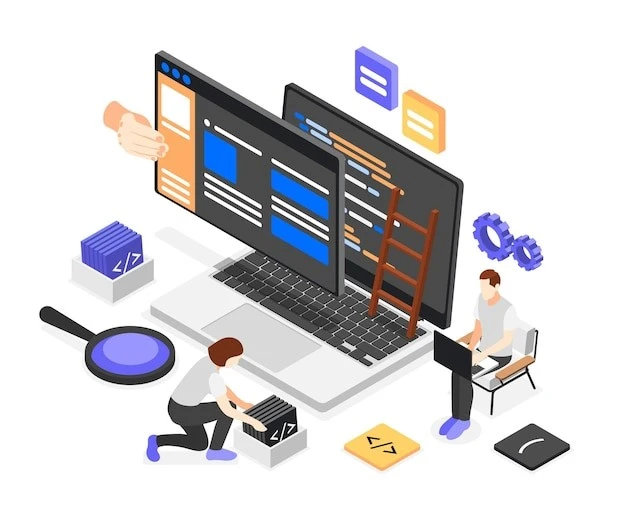
The bespoke software development process follows six core phases: discovery and requirements gathering, planning and architecture, UI/UX design, development and coding, testing and quality assurance, and deployment with ongoing maintenance. Each phase builds on the last to reduce risk and deliver software that meets real business needs.
Phase 1: Discovery and Requirements Gathering
This is where clarity is created. The development team works closely with your stakeholders to understand your business goals, existing workflows, pain points, and constraints. The output isn’t just a feature list; it’s a shared understanding of what the software must achieve and how success will be measured. Our guide on software project requirements explains how to approach this step effectively.
Phase 2: Planning and Architecture
Once requirements are finalized, the team creates a roadmap. This includes choosing the technology stack, defining the data structure, planning integrations, and setting timelines and budgets. Wireframes or prototypes are often used to validate the experience before any code is written. A well-executed project discovery phase sets the foundation for everything that follows.
Phase 3: UI/UX Design
Great bespoke software doesn’t just function well; it feels intuitive. Designers build the interface with your end users in mind, ensuring that navigation is logical, workflows are streamlined, and the learning curve is minimal. A strong UI design process directly impacts adoption rates and long-term satisfaction.
Phase 4: Development and Coding
With designs approved, developers bring the software to life. Most bespoke projects use agile software development methodologies, breaking the work into sprints so you can see progress every two to four weeks. In 2026, AI-assisted development tools are accelerating this phase significantly, allowing teams to ship faster while maintaining quality.
Phase 5: Testing and Quality Assurance
Before deployment, the software goes through rigorous testing. This includes functional testing, performance testing, security audits, and user acceptance testing (UAT). AI-powered testing tools are increasingly being used to review code for vulnerabilities and consistency at a scale manual reviews can’t match. Learn more about what thorough QA testing involves.
Phase 6: Deployment and Ongoing Maintenance
After launch, the software enters its operational life. But bespoke software isn’t a “build it and forget it” investment. Ongoing maintenance covers bug fixes, security updates, performance improvements, and new feature development as your business evolves.
Technologies Powering Bespoke Software Development in 2026
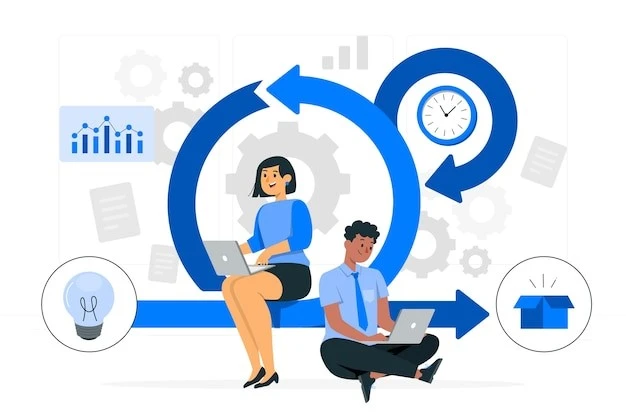
The technology landscape for bespoke development is evolving rapidly. Here are the key trends shaping how custom software is built this year.
Agentic AI: The Defining Shift of 2026
If there’s one technology trend defining 2026, it’s agentic AI. Unlike traditional AI assistants that handle one-off tasks, agentic systems can plan, execute, and iterate across multi-step workflows for hours or even days. For bespoke software development, this means faster delivery timelines, lower costs per feature, and the ability to tackle projects that would have been impractical just a year ago.
Engineering roles are shifting from hands-on coding toward directing and reviewing AI agents that handle implementation. The result isn’t fewer developers; it’s developers focused on higher-value work like architecture, system design, and strategic decision-making. Explore our guide on the role of AI in software development to understand how this applies to your projects.
Cloud-Native Development
Cloud-native architecture, built on microservices, containers (like Docker and Kubernetes), and serverless computing, has become the standard for bespoke software. The majority of custom software deployments now run in the cloud, and multi-cloud strategies are creating demand for custom solutions that work seamlessly across AWS, Azure, and Google Cloud. Learn more about the future of cloud computing and how it impacts your technology decisions.
Low-Code and No-Code Acceleration
Low-code platforms aren’t replacing bespoke development; they’re accelerating it. Development teams now use low-code tools for standard components (login screens, form builders, basic workflows) and focus their custom coding effort on the complex business logic that truly differentiates the software.
Microservices Architecture
Instead of building one massive application, modern bespoke software is broken into small, independent services. Each service handles a specific function (user authentication, payment processing, notifications) and can be updated or scaled independently. This makes the software more resilient, easier to maintain, and faster to evolve.
IoT and Edge Computing Integration
For businesses in manufacturing, logistics, healthcare, and real estate, integrating Internet of Things devices with custom software unlocks real-time monitoring, predictive maintenance, and automated reporting. Edge computing is driving new demand as businesses need custom software to process and secure data closer to where it’s generated. Explore how IoT architecture powers these connected systems, or dive into specific applications like IoT in manufacturing and IoT in healthcare.
DevSecOps: Security Built Into Every Sprint
In 2026, integrating security into every phase of development (DevSecOps) is standard practice for serious bespoke software teams. This means embedding Zero Trust Architecture, AI-powered threat detection, and automated security scanning directly into the CI/CD pipeline, rather than treating security as an afterthought.
Which Industries Benefit Most from Bespoke Software?
While any business can benefit from custom software, certain industries see the highest returns due to their unique operational complexity and regulatory requirements.
Healthcare: Custom EHR systems, telemedicine platforms, and patient management tools that meet HIPAA compliance. Read more about healthcare software development.
Finance and Banking: Trading platforms, risk management systems, and fintech applications with built-in regulatory compliance. Explore financial software development for detailed insights.
Logistics and Supply Chain: Fleet tracking, warehouse management, and route optimization tools built around your specific operations. See how logistics software development addresses these challenges.
Real Estate: Property management platforms, MLS integrations, and tenant portals. Our overview of property management software covers key considerations.
Education: Custom LMS platforms, student portals, and assessment systems that go beyond what standard tools offer. Learn about educational software development approaches.
Manufacturing: Production planning tools, quality control systems, and IoT-driven predictive maintenance platforms. Explore our guide on production planning software.
How to Choose the Right Bespoke Software Development Company
The right bespoke software development company combines deep technical expertise with genuine interest in your business goals. Look for a proven track record, transparent communication, an agile development process, strong post-launch support, and increasingly, expertise in AI-augmented development workflows.
Finding the right development partner is arguably more important than the technology itself. Here are the key factors to evaluate.
Industry experience: Have they built solutions for businesses like yours? Domain expertise means fewer misunderstandings and faster delivery.
Technical depth: Can they work across your required tech stack? Do they have experience with AI integration, cloud-native development, and the specific integrations you need?
AI-augmented workflows: In 2026, the best development teams leverage AI tools to accelerate delivery. Ask potential partners how they use AI in their development process and how it impacts timelines and costs.
Transparent process: The best partners use agile methodologies and keep you in the loop with regular demos, sprint reviews, and clear documentation.
Post-launch support: Software doesn’t end at deployment. Ensure your partner offers ongoing maintenance, security updates, and feature development.
Clear pricing: Avoid partners who are vague about costs. Look for detailed proposals that break down each phase of the project.
For a comprehensive checklist, see our guide on how to choose a software development company.
Build Software That Fits Your Business, Not the Other Way Around
Bespoke software development is no longer a luxury reserved for enterprise-level companies. With cloud-native tools, agile methodologies, and AI-powered development workflows, building custom software is faster, more accessible, and more cost-effective than ever before.
The businesses that thrive in 2026 and beyond will be the ones that invest in technology built around their unique strengths, not the ones stuck forcing their processes into generic tools. With agentic AI reshaping how software gets built and custom solutions becoming more accessible, there has never been a better time to explore what tailored software can do for your organization.
If you’re ready to explore what bespoke software can do for your business, get in touch with our team for a free consultation. We’ll help you map out the right approach and build software that drives real results.
Frequently Asked Questions
| What does bespoke software development mean? Bespoke software development means building software from scratch to meet one organization’s specific needs. Unlike off-the-shelf products designed for the mass market, bespoke software is tailored to your exact workflows, integrations, and business goals. The term “bespoke” is interchangeable with “custom” software development. |
| How much does bespoke software development cost? Costs vary widely based on complexity, features, and team size. Simple bespoke applications might start around $25,000 to $50,000, while complex enterprise platforms can exceed $250,000. The best approach is to start with a clear requirements document and request detailed estimates from potential development partners. |
| How long does it take to develop bespoke software? Timelines depend on the project scope. A focused MVP (minimum viable product) can be delivered in 8 to 12 weeks. More complex enterprise applications with multiple integrations typically take 4 to 9 months. Agile development helps by delivering working features in incremental sprints rather than waiting for one final release. |
| Is bespoke software better than SaaS? It depends on your situation. SaaS tools are excellent for standard business functions where customization isn’t critical. Bespoke software is the better choice when your processes are unique, you need deep integrations, or your software needs to become a competitive differentiator. Many businesses use a combination of both. |
| What industries benefit most from bespoke software? Industries with complex, regulated, or highly specialized workflows see the greatest returns. This includes healthcare, finance and banking, logistics, manufacturing, real estate, and education. Any business that finds itself constantly working around the limitations of generic software is a strong candidate for a bespoke solution. |

Empower your digital initiatives with BariTechSol, a premier custom software development company. Our skilled team tailors cutting-edge solutions to your unique needs. Elevate your tech experience and stay ahead in the digital realm. Partner with BaritechSol and code the success of your next big idea.